


5.2.2 Spark: Why we need Design for Values
Course subject(s)
Module 5. How to Design for Values (DfV)
Why Design for Values is so important
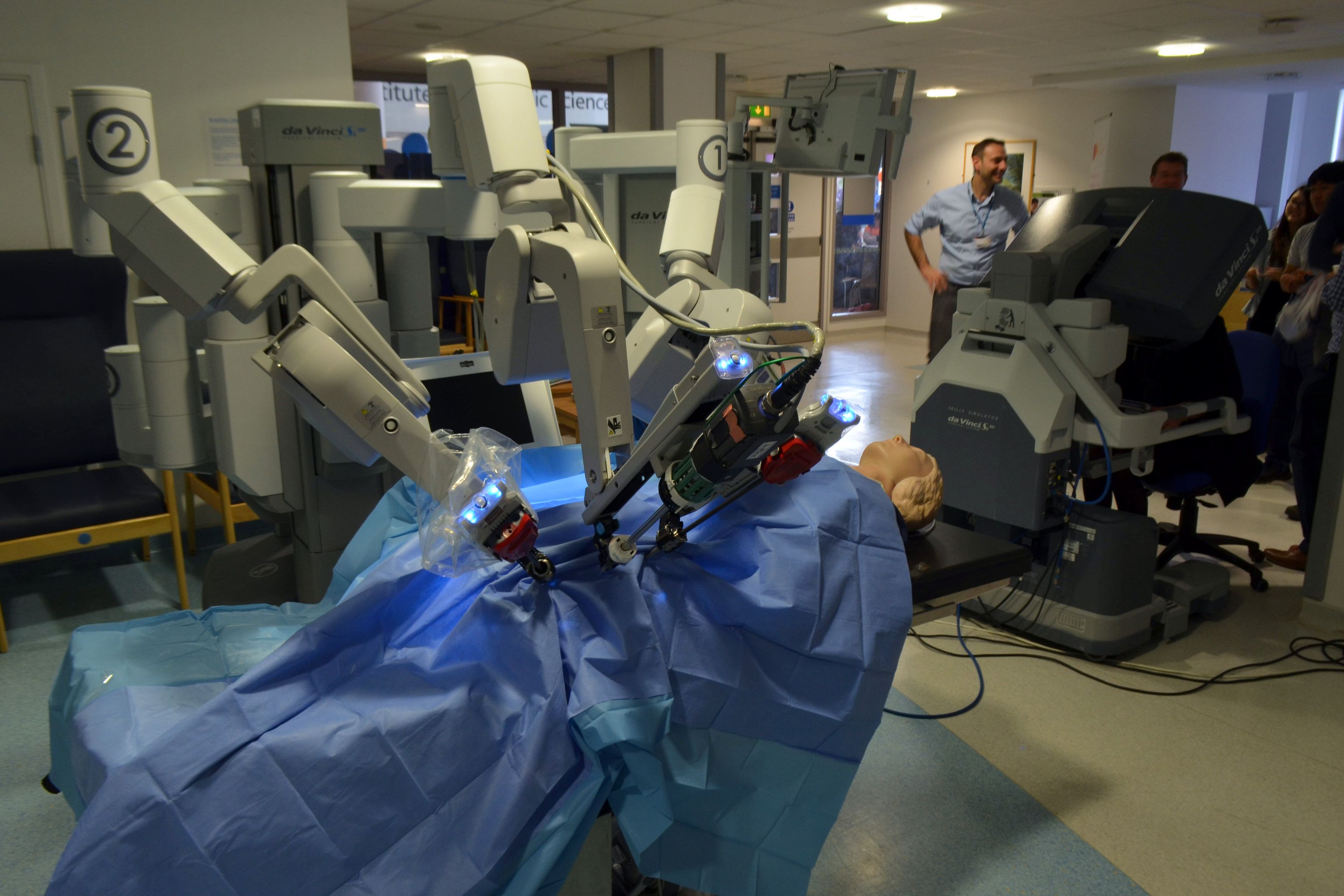
Do you remember the video with the robot in module 0? So what do you think of privacy (data-protection) in this case?
Here are two more examples about the importance of DfV
- IoT
Technologies that sense, quantify, and measure aspects of our environment are becoming smaller, faster, more mobile, and more accurate. These technologies can detect particulates in air to quantify pollutants, or measure cancerous growths from your breath, or identify patterns of illegal drug use by measuring wastewater, or identify whether the chicken cutlet on your plate is indeed antibiotic-free. With these technologies, aspects of our environment that were previously beyond our human perception are suddenly something that we must grapple with. These sensing technologies are becoming more accessible, thereby making their data and information more reachable to many. They are increasingly being deployed in the Internet of Things (IoT) and ‘smart’ systems, towards critical societal goals such as health and well-being.
More importantly, the benefits and challenges of these advancements are now moving beyond the lab and out into the world. This raises urgent ethical issues regarding the development and deployment of these sensing technologies, notably around questions of power dynamics, privacy, trust, reliability, and the responsibility for the production, use, and communication of new forms of information. The translation of this data into new forms of knowledge will ultimately affect public perceptions and political decision-making. Further, there are critical questions of what gets communicated and to whom. - Medical Robots
An excellent reading to reflect on values for developing medical applications is this reading.

Responsible Innovation: Building Tomorrow’s Responsible Firms by TU Delft OpenCourseWare is licensed under a Creative Commons Attribution-NonCommercial-ShareAlike 4.0 International License.
Based on a work at https://online-learning.tudelft.nl/courses/responsible-innovation-building-tomorrows-responsible-firms/.