Important announcement

Dear visitor,

Please note that this OpenCourseWare platform will be replaced at the end of 2026 by a new platform (under the same url ocw.tudelft.nl).

Courses and their contents that are currently available the platform will partly be migrated. URL’s for this content will change and content might be unavailable for some time. In addition, some courses will not be available anymore.

If you are linking to specific courses on this platform (for instance for your students), please take timely measures to avoid problems with access. Possible actions are:

  • Download the materials to your local platform (laptop, server)
  • For educators only (including TU Delft lecturers): Contact us at ocw@tudelft.nl and inform us what course you are using in what context (institute, program, period of use, number of students). We will research (in collaboration with the authors of the course) and decide if we will migrate the course, and if yes, can supply you with a new url.

Thank you.

3.2 Stokes’ law: introduction

As you have seen in the previous section, the drag force is very much dependent on the shape of an object, the relative velocity, the density of a liquid or gas and its viscosity.

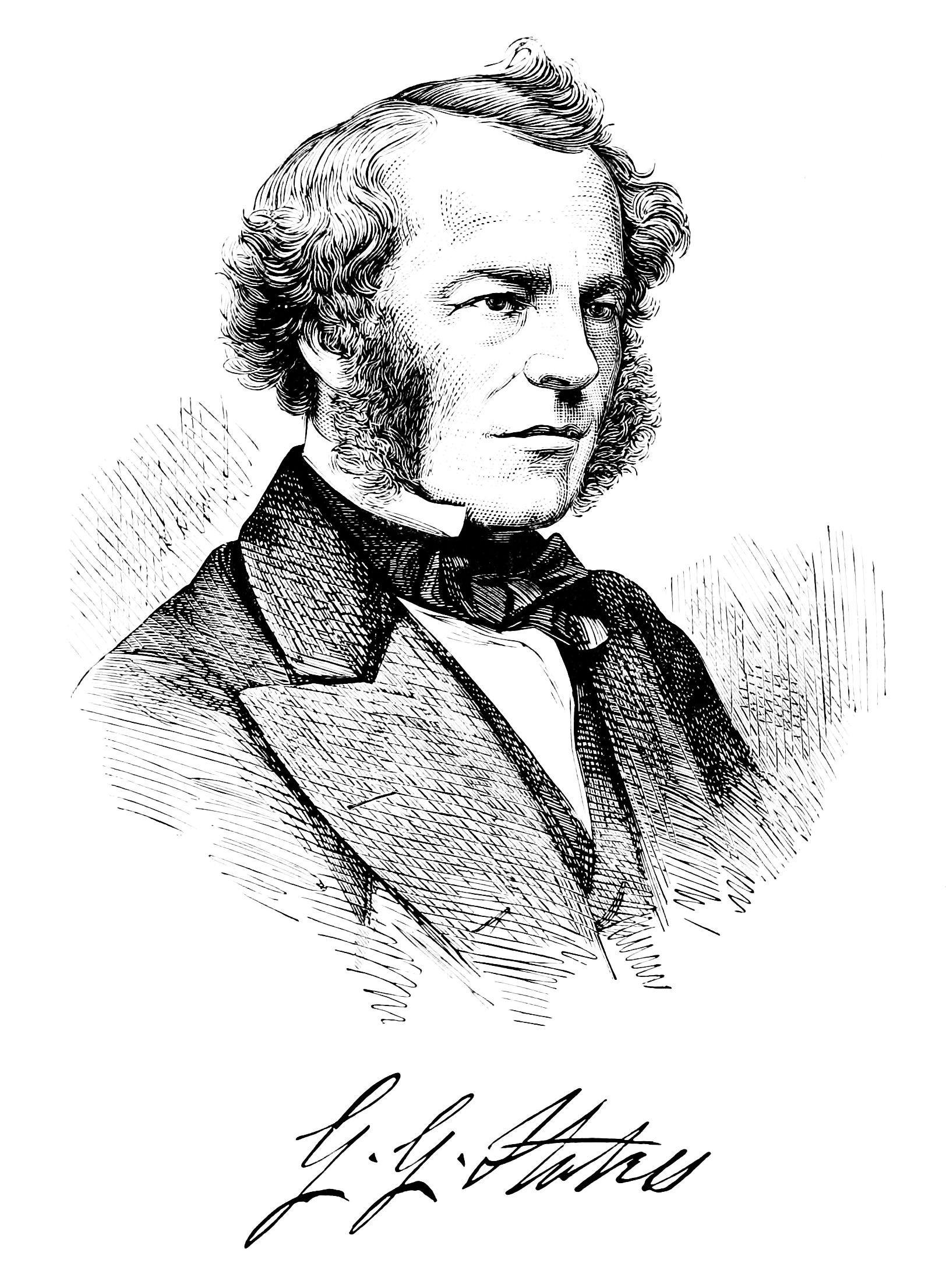
Today, you are going to learn more about quantifying the drag force coefficient and the drag force for very low Reynolds numbers in particular. In these situations, you can make use of Stokes’ Law. Sir George Gabriel Stokes was an Irish pioneer in the field of fluid dynamics, living in the late 19th century. He also made major contributions in other fields such as mathematics, biochemistry and light. However, in this course, we will focus on his discovery of the creep flow theorem.

Did you ever wonder why fog droplets seem to float, but rain droplets fall? You can find out in the next set of lectures!
Back to top
[sg_popup id=6]