


5.4.2 Norm Development
Course subject(s)
Module 5. Engineers as Team Leaders
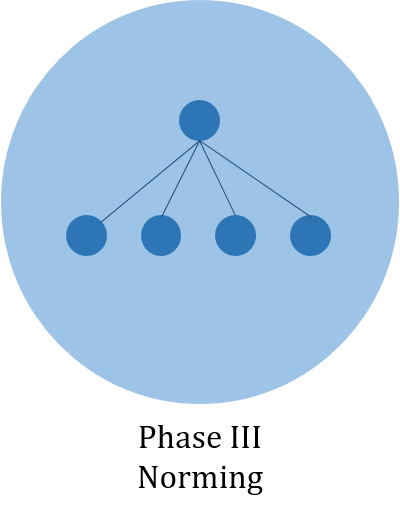
One real-life story that vividly shows how norms develop is the “Miracle of the Andes” (El Milagro de los Andes) story. Because Donelson R. Forsyth tells this story so clearly in his textbook “Group Dynamics” (2006, p. 170), we decided to quote him. Furthermore, you can find a documentary on the case here , if you want to know more about this story.
“The chartered Fairchild F-227 was en route from Urugay to Chile. Most of the passengers were players on the “Old Christians” amateur rugby team, family members, or friends of the players. But the plane never reached Chile. The pilot and copilot misjudged their location and began their descent from cruising altitude too soon. Their plane crashed deep in the snow-covered Andes of South America.
Rescue teams searched through the mountains, but the plane had been so far off course when it crashed that the search was fruitless. Thus, those passengers who survived the crash faced another challenge – surviving in the harsh, subzero temperatures of the Andes. Despite incredible hardships, the survivors managed to band together and overcome every adversity they faced. They organized their work, with some cleaning their sleeping quarters, some tending the injured, and other melting snow into drinking water. When their food ran out, they made the difficult decision to eat the frozen bodies of those who had died in the crash. And when starvation seemed imminent, they sent two men down the mountain to seek help. The two walked for 14 days before they reached a small farm on the edge of the great mountain range. Thei sudden appearance after 70 days was followed by a rescue operation that lifted the remaining 14 survivors from the crash site.”
The group lived and worked together at the crash site for nearly 3 months. But the group that came down from the Andes was not the same group that began the chartered flight; the pattern of relationships among the group members – that is, the group’s structure – had been altered. The survivors developed new standards and values that were unlike any of the rugby team’s norms. The group began with a captain but ended up with “commanders”, lieutenants”, and “explorers”. Men who were at first afforded little respect or courtesy eventually earned considerable status within the group. Some who were well liked before the crash became outcasts. Some who had hardly spoken to the others before became active communicators within the group. “

Influencing Stakeholders: Dealing with Power and Dynamics in Teams and Networks by TU Delft OpenCourseWare is licensed under a Creative Commons Attribution-NonCommercial-ShareAlike 4.0 International License.
Based on a work at https://online-learning.tudelft.nl/courses/influencing-stakeholders-dealing-with-power-and-dynamics-in-teams-and-networks/.